
English| EUR
Suggested for you
More currencies
Choose a language
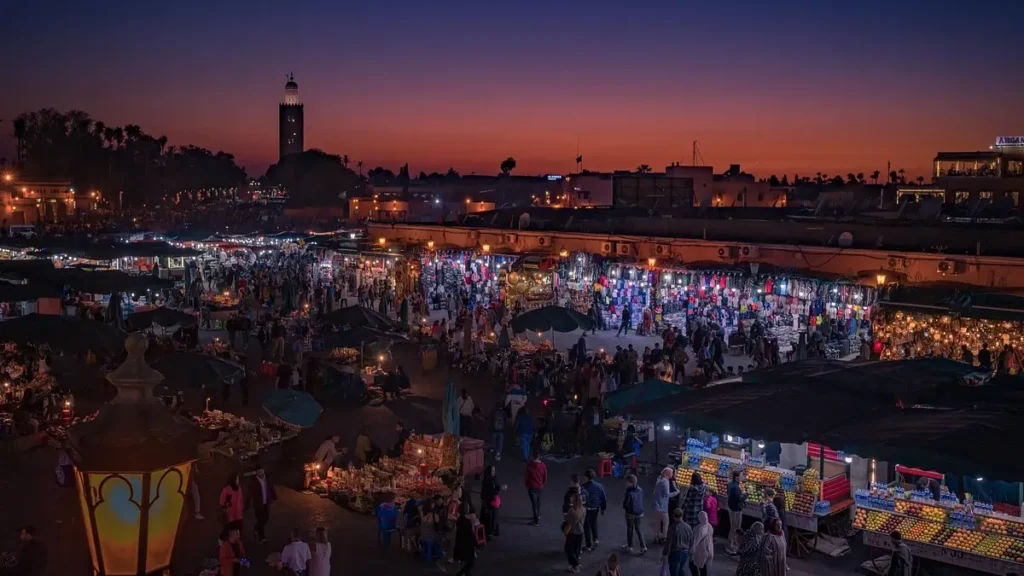
Marrakesh's medina serves tens of thousands of meals from open-air stalls every night, most of them consumed without incident. The safety of street food in the city depends less on blanket rules than on reading the signals each vendor provides: turnover speed, visible preparation, and the crowd composition around the grill.
Quick answer
Yes, it is generally safe to eat street food in Marrakech when you choose high-turnover vendors with visible cooking and follow basic hygiene judgment. Grilled meats, freshly fried pastries, and cooked tagines present low risk when prepared to order. Raw salads, pre-cut fruit, and dishes that have been sitting at room temperature require more caution. The busiest stalls in Jemaa el-Fnaa between 18:00 and 22:00 turn over inventory quickly, which reduces pathogen growth and ensures fresher ingredients.
Marrakesh operates under Morocco's 2010 food safety framework, which requires vendors in Jemaa el-Fnaa and the surrounding medina to register with municipal health services and undergo periodic inspections. Compliance is inconsistent, but the majority of established stalls—particularly those occupying the same pitch each evening—maintain working relationships with inspectors and adhere to baseline standards for potable water access and waste disposal. The question of whether eating Marrakesh street food is safe hinges on three observable factors. First, cooking temperature: anything grilled over charcoal or deep-fried to order reaches pathogen-killing heat. Merguez sausages, kefta skewers, and sfenj doughnuts fall into this category. Second, ingredient turnover: stalls that draw steady lines of locals restock frequently, which limits the window for bacterial multiplication. A vendor selling snail broth or sheep's head who serves a dozen customers an hour is cycling through product faster than one catering exclusively to tourists. Third, cross-contamination risk: whether raw and cooked items share the same surface, and whether the vendor handles money and food with the same hands. Seasonal variation matters. Summer heat accelerates spoilage, and stalls without refrigeration rely entirely on turnover to keep ingredients viable. Winter evenings, by contrast, offer natural refrigeration and longer safe holding times. Tap water in Marrakesh meets potability standards in most of the city, but ice used in fruit juices is sometimes sourced from unverified suppliers; many regular visitors skip drinks with ice altogether. The medina's food culture is not structured around written menus or health-grade placards. Instead, safety information is encoded in the scene itself: the number of Marrakshis in line, the visibility of the cooking process, the presence of running water at the stall, and whether produce is sliced to order or pre-prepared. These cues require attention, but they are legible once you know what distinguishes a high-turnover operation from one relying on day-old stock. Understanding whether it is safe to eat street food in Marrakech means learning to read the infrastructure behind the smoke and the crowd.
“The safety of street food in Marrakesh is encoded in the scene itself: the number of locals in line, the visibility of the cooking process, and whether produce is sliced to order.”
The most reliable strategy for food safety is prioritizing high-turnover periods, specifically the best arrival window of 18:00–22:00. Eating during these hours ensures ingredients are fresh due to rapid consumption rates by both locals and visitors.
Pleasant, 18°C to 28°C
Ideal weather for outdoor dining in Jemaa el-Fnaa.
Mild, 15°C to 27°C
Comfortable temperatures encourage high stall turnover.
Hot, 25°C to 38°C
Opt for the later end of the 18:00–22:00 window.
Cool, 8°C to 19°C
Requires layering but provides consistent food availability.
Verdict: The safest approach is to visit during the 18:00–22:00 arrival window in April or October to benefit from peak turnover and moderate weather.
Visitors often misjudge safety signals at street stalls, leading to avoidable stomach issues. Recognizing the difference between busy, well-maintained vendors and risky setups protects your experience.
Choosing a stall with no customers waiting
Empty stalls mean slow turnover and food sitting under heat lamps. Pick vendors with a steady queue—high turnover ensures ingredients are fresh and cooked to order.
Eating pre-peeled fruit from carts
Fruit peeled hours earlier and displayed openly collects airborne contaminants and flies. Request whole fruit and watch the vendor peel it fresh in front of you, or choose options you can peel yourself.
Ignoring the cleanliness of cooking surfaces
Greasy, unwashed grills and cutting boards transfer bacteria between batches. Look for stalls where the vendor wipes surfaces between orders and handles raw and cooked items with separate utensils.
Drinking from unwrapped cups or reused bottles
Tap water used to rinse glasses or refill bottles carries risk. Bring sealed bottled water or buy drinks in factory-sealed containers, and avoid ice unless you know the source.
Skipping observation of food handling practices
Vendors who handle money, then touch food without washing, introduce contamination. Watch for gloves, handwashing, or dedicated cashiers—stalls with visible hygiene routines are safer bets.
Assuming all grilled meat is cooked through
Meat pulled too early from the grill to serve faster may be undercooked in the center. Ask for thorough cooking and check that juices run clear before eating, especially with kebabs and kofta.
Navigating Marrakesh street food safely relies on observing vendor practices and prioritizing high-turnover stalls to ensure freshness.
Choose vendors where you see a constant queue of locals, as high turnover ensures food does not sit out for extended periods. This indicates both popularity and a rapid rotation of fresh ingredients.
Select stalls that prepare food to order over high heat, ensuring items are thoroughly cooked through. Avoid stalls serving pre-cooked items that have been sitting at ambient temperatures.
Examine the vendor’s workspace and serving utensils for general tidiness. A clean preparation area often reflects a vendor’s commitment to overall hygiene standards.
Stick to bottled water from sealed containers and avoid drinks with added ice, which may be made from non-purified water. Hot mint tea is a safer choice as the water has been boiled.
Carry your own pack of tissues or hand sanitizer for use before and after eating, as public stalls may not always provide these amenities. This helps maintain personal hygiene when eating with your hands.
Street food areas in the Marrakesh medina, including Jemaa el-Fnaa, maintain continuous operation throughout the week.
Access to street food areas in Marrakesh does not require an entrance fee, as the experience takes place in public spaces. Costs are determined entirely by the individual food items you choose to purchase.
Verdict: A typical adult pays 0 MAD for entry, with total spending dependent solely on the quantity and variety of food items consumed.
Everything you need to know about is it safe to eat street food in marrakech
Generally, it is safe to eat street food in marrakech if you choose stalls with high turnover and visible cooking processes. Local vendors are accustomed to international visitors, though maintaining basic hygiene awareness is recommended. Many travelers find that exploring the culinary scene is a highlight of their trip. By observing where locals queue, you can better determine is it safe to eat street food in marrakech for your personal comfort level.
The best arrival window is 18:00–22:00 when Jemaa el-Fnaa is most active. Visiting during these hours ensures the freshest ingredients due to high demand. Arriving within this timeframe also provides the most variety in food offerings.
Entrance fee is 0 MAD as public food areas are free to access. You only pay for the individual items or meals you choose to consume. This makes self-guided exploration very budget-friendly.
To ensure a positive experience, prioritize cooked-to-order dishes and avoid items that have been sitting out. Drinking bottled water and using hand sanitizer before eating are standard precautions. This approach helps answer the question of is it safe to eat street food in marrakech by minimizing common travel risks.
Taking children to taste local flavors can be a rewarding experience when you select busy, reputable stalls. Stick to fully cooked foods like tagines or grilled meats to avoid potential issues. Monitoring the preparation ensures your family stays healthy while enjoying authentic moroccan gastronomy.
Jemaa el-Fnaa offers a wide array of options, from fresh fruit juices to slow-cooked harira soup. The density of stalls allows you to observe hygiene practices before committing to a purchase. With careful selection, is it safe to eat street food in marrakech remains a manageable concern for most visitors.
The food areas operate daily from 00:00–23:59, providing constant access to the medina. However, the energy and variety peak during the recommended evening arrival window. You will find that the busiest times align with the highest quality standards.
The most common mistake is avoiding the busiest stalls. High turnover means food is prepared fresh and served hot, which is the safest way to dine. Always look for the most popular spots rather than quiet or empty ones.
Book a Local Guide for Your Food Tour
Read more GuideMarrakech Street Food Prices and Budgeting
Read more Tickets & toursMarrakech Night Street Food Tours
Read more Tickets & toursVegetarian Street Food Tours in Marrakech
Read more Tickets & toursPrivate Marrakech Street Food Tours
Read more